
Beginner-Friendly DIY Concrete Projects and Masonry Tutorials
Working with concrete and masonry can seem tough at first. But with the right guidance, anyone can learn to do simple projects at home or for business needs. I will share clear steps and tips to help you get started. This post covers basic tools, materials, and techniques. You will also find practical advice for common projects.
Getting Started with DIY Concrete Projects
Concrete is a mix of cement, sand, gravel, and water. When mixed right, it hardens into a strong material. Masonry involves building with bricks, stones, or blocks using mortar. Both are useful for many outdoor and indoor projects.
Before you start, gather these basic tools:
Trowel
Concrete mixer or wheelbarrow
Shovel
Level
Measuring tape
Safety gear (gloves, goggles, mask)
Choose your materials carefully. For concrete, use Portland cement, clean sand, and gravel. For masonry, pick bricks or blocks that fit your project size.
Start with small projects like garden stepping stones, simple walls, or concrete planters. These will help you learn mixing, pouring, and finishing techniques.

Simple DIY Concrete Projects You Can Try
Here are some beginner-friendly projects to build your skills:
Concrete Stepping Stones
Use molds or make your own shape with wood. Mix concrete and pour into molds. Let it set for 24-48 hours. You can add color or texture before it dries.
Concrete Planters
Use plastic containers as molds. Pour concrete inside and insert a smaller container to create a hollow space for plants. After curing, remove molds and sand rough edges.
Small Retaining Walls
Lay bricks or blocks with mortar. Use a level to keep rows straight. This project teaches masonry basics and how to handle mortar.
Patio or Walkway Slabs
Prepare a flat base with gravel. Pour concrete evenly and smooth the surface with a trowel. Use a broom to add texture for slip resistance.
Mailbox Posts
Pour concrete into a hole in the ground to secure a post. This is a quick project that shows how concrete can anchor structures.
For all projects, follow safety rules. Wear gloves and goggles. Work in a well-ventilated area. Clean tools immediately after use.
What is the 4 2 1 Rule for Concrete?
The 4 2 1 rule is a simple way to remember the mix ratio for concrete. It means:
4 parts gravel or coarse aggregate
2 parts sand or fine aggregate
1 part cement
This ratio creates a strong and workable concrete mix. Add water slowly until the mix reaches a thick, paste-like consistency. Too much water weakens the concrete.
Using this rule helps you avoid buying premixed bags and lets you control the quality. It is especially useful for small DIY projects where you mix by hand.
Tips for Working with Masonry
Masonry requires patience and precision. Here are some tips to get good results:
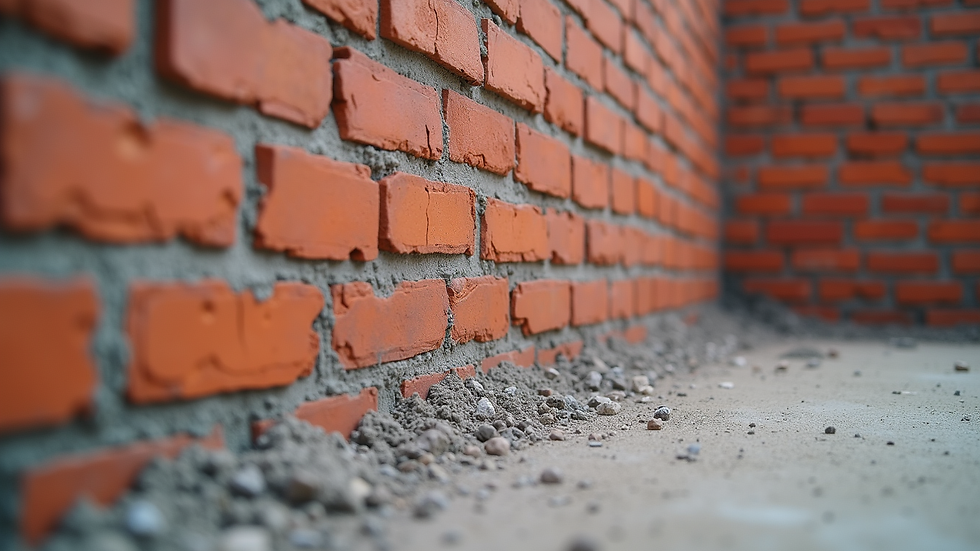
Prepare the surface: Clean and wet the area before applying mortar. This helps the bricks or blocks stick better.
Mix mortar properly: Use the right ratio of cement, sand, and water. It should be thick but spreadable.
Use a level often: Check each row to keep walls straight and even.
Tool the joints: After laying bricks, smooth the mortar joints with a jointer tool. This improves appearance and durability.
Cure the mortar: Keep the masonry moist for a few days to prevent cracks.
Start with small walls or garden borders. Practice laying bricks in straight lines and cutting bricks to fit corners.
Where to Find More DIY Concrete and Masonry Tutorials
If you want to learn more, there are many resources online. I recommend checking out diy concrete and masonry tutorials for step-by-step guides and videos. These tutorials cover everything from mixing concrete to building complex structures.
Local hardware stores often offer workshops or printed guides. You can also find books dedicated to concrete and masonry basics.
Practice is key. Start with simple projects and gradually try more complex ones. Keep notes on what works and what does not. Over time, your skills will improve.
Final Thoughts on DIY Concrete and Masonry
Concrete and masonry work can add value and beauty to any property. With basic tools and knowledge, you can complete many projects yourself. Always plan carefully, follow safety rules, and take your time.
Remember to mix materials correctly and prepare surfaces well. Use the 4 2 1 rule for concrete to get strong results. Practice laying bricks and finishing mortar joints neatly.
By learning these skills, you can handle repairs, build new features, and save money. Keep exploring tutorials and trying new projects. Your confidence will grow with each success.


Comments